Multi-speaker audio is an incredible immersion within a space.
Audio elevates experiences, but it is too often left out of the equation. Impressive audio tech does exist — high-fidelity wired speakers, Sonos and other Wi-Fi speakers offer incredible solutions. The difficulty though, is the setup: whether it's laying wire, or ensuring your Wi-Fi network covers anywhere you want a speaker.
Multi-speaker audio was introduced by cinemas in the late 1920s, spacial audio by the 1980s, and works, but it is still reserved for high-end & costly setups. Audio has been awaiting an opportunity to be so much more.
wires turn the problem into your problem.
The wired approach works, but it costs you holes in the wall and a professional install. Cables to run and permanent placements.
That is the real price of wired surround. Not the hardware. The setup. Every speaker you add is another run of cable and another thing to hide.
on Wi-Fi, music stops being about the music and starts being about the network
Wireless multi-room sound promised the end of cable runs, then handed you a new job. Now multi-speaker sound depends on router coverage. On a signal that reaches the back bedroom, the edge of your restaurant, or which likely does not. The music stops being about the music and starts being about the network.
And it only works where you have a network. Looking for sound at the beach, the campsite, the outdoor wedding venue, and it is over. splitR® creates its own secure and wide-reaching network, which is why it works everywhere, under any circumstance.
Restaurants, bars, and clubs feel this worse than anyone
A restaurant owner wants music in the dining room, on the patio, and at the bar, at the right level in each. What the market offers instead is an AV contractor, a proposal, a rewire, and a system not a single staff can be expected to know how to work. Larger properties have it worse: clubhouse, pool deck, tennis courts, event lawn, half of it outdoors where the WiFi was never going to reach anyway.
splitR Pro™ is built for that job. One venue hub runs up to nine independent streams at once across an area of any size, so the patio can be quiet while the bar is loud and the private room runs its own playlist. It takes the sources you already have through HDMI ARC, Ethernet, 6.35mm and 3.5mm, and WiFi with AirPlay 2. Units link over Ethernet to cover a whole property, indoors and out. No new speaker wire through finished walls. No network build for the grounds. Staff get simple controls that survive turnover.

The game has changed for wireless audio. Big time.
Bluetooth (used to) suck.
The Bluetooth audio we're all used to (all car stereos, portable speakers, headphones) is legacy technology from the early 2000s, but it is still the de-facto standard which shapes our expectations for personal wireless audio. Bluetooth audio has typically meant listening on just one speaker. With some limited proprietary exceptions, the case is generally no multi-speaker and no 3rd party interoperability.
Bluetooth LE Audio rewrote the part that was broken. Auracast™ is the next-gen audio standard embedded in the newest audio products & enables one source to reach an unlimited number of nearby listeners at once.
It is not a workaround bolted onto the old thing. It is the same radio already in your pocket, doing something it could never do before — at better fidelity than the Bluetooth you know, and a fraction of the power draw.
splitR® is how you use it today, including on the speakers, headphones, and hearing aids that shipped long before any of this existed.
splitR brings multi-speaker sound, everywhere
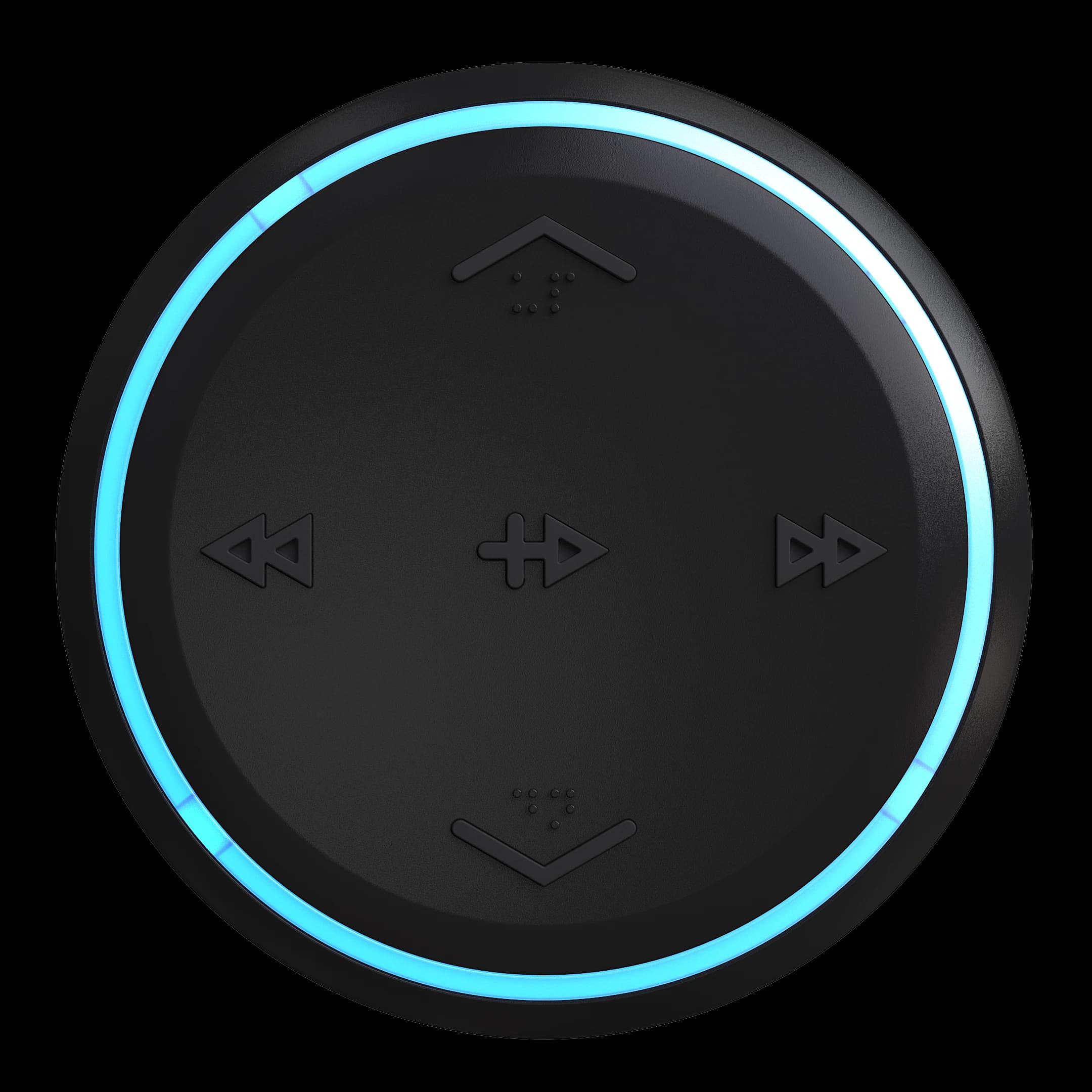
splitR® augments any speaker or audio source to be compatible with broadcast audio. Plug it into a 3.5mm or USB-C port and that device joins the broadcast. One source, many speakers, in sync. No cable runs, no router. It works at home the same way it works in the most remote place you can imagine, because there is no network to depend on.
The math is simple. A speaker that already supports broadcast audio joins on its own. An older speaker needs its own splitR® to come along. Most people start with the speakers they already own and add units as they go. And when you want true surround with each speaker on its own channel, that is splitR Pro™, not the consumer unit.
300 ft
Range
12 hrs
Battery
$99
splitR®
9 streams
splitR® Pro

Three ways to put sound in a space
| Wired | WiFi | splitR® | |
|---|---|---|---|
| Who sets it up | An installer | You do | Plug it in |
| Works outdoors | Only where you ran cable | Only where the router reaches | Anywhere |
| Needs a network | No | Yes | No |
| Adding a speaker | Another cable run | Reconfigure the network | Add a unit |
| Moving it | It does not move | Reconfigure the network | Put it in a bag |